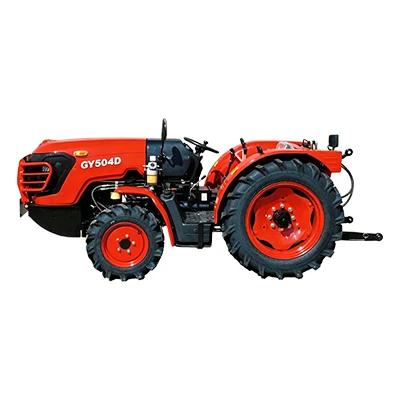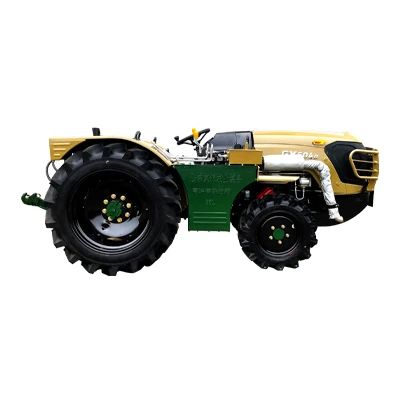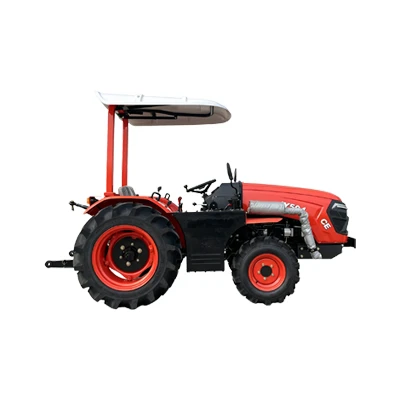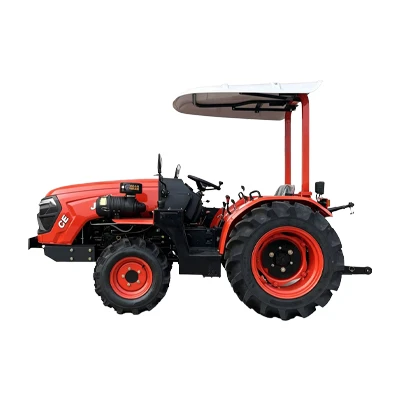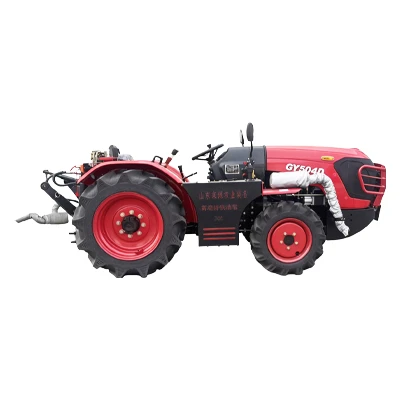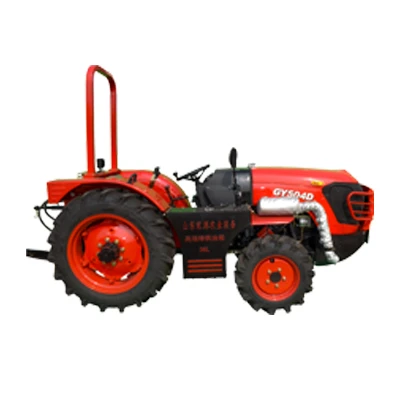
A tractor is an agricultural power machine used to tow or drive various implements and machinery. Its structure primarily consists of an engine, transmission, travel system, steering system, braking system, hydraulic system, electrical system, and cab.
Engine: The tractor's power source, typically a diesel engine with high torque and low fuel consumption. The engine's power determines the tractor's pulling force and operating efficiency.
Transmission: This includes components such as the clutch, transmission, rear axle, and differential, and is used to transmit engine power to the drive wheels. Transmissions typically have multiple gears to accommodate different operating requirements.
Travel: This primarily consists of tires or tracks. Tire sizes range from 6.0 to 12 mm, suitable for various ground conditions. Tracked tractors are more suitable for soft or muddy ground.
Steering: This includes components such as the steering wheel, steering gear, and steering rods, and is used to control the tractor's direction. Some tractors also feature hydraulic power steering for easier operation.
Braking System: This system controls the tractor's deceleration and stopping, typically using mechanical or hydraulic brakes.
Hydraulic System: This system actuates suspended implements and performs other hydraulic functions, such as lifting, lowering, and tilting. The performance of the hydraulic system directly impacts implement operating efficiency.
Electrical System: This system includes components such as batteries, generators, starter motors, and lighting, providing power and starting the engine.
Cab: Modern tractors typically feature an enclosed cab, providing a comfortable working environment. Some high-end models also include air conditioning and audio equipment.