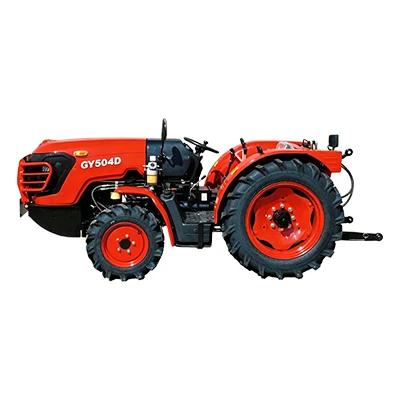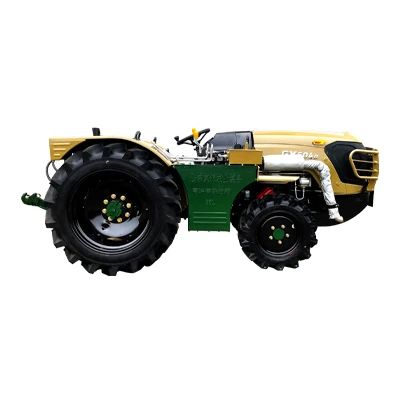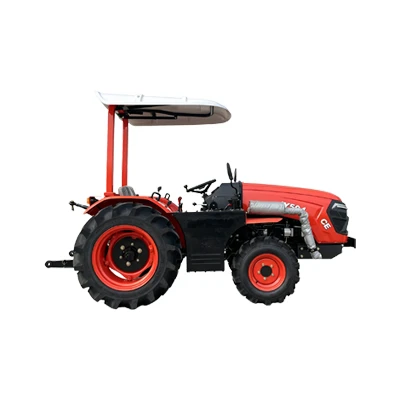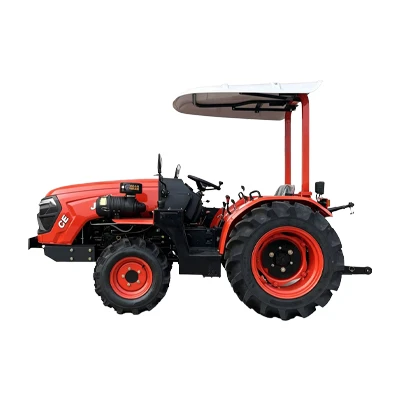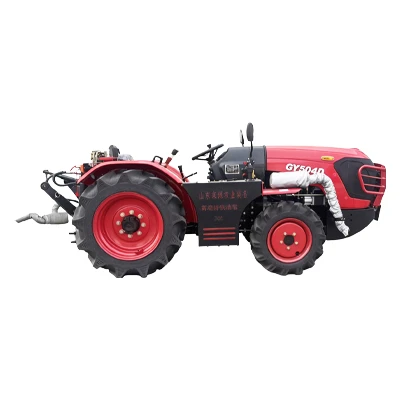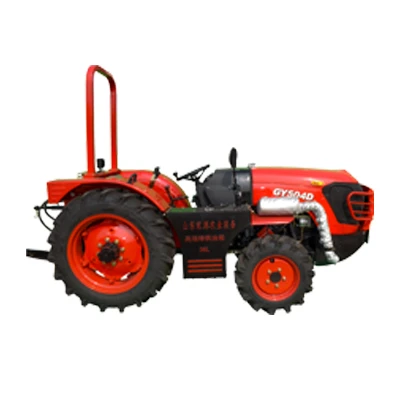
Tractor manufacturing encompasses four core processes: design, material selection, component manufacturing, and assembly testing. The design phase integrates market requirements (e.g., power range 20-200 HP) and technical specifications (e.g., transmission efficiency ≥ 90%) to determine the structural layout and component connection methods. Material selection must balance strength (e.g., QT600-3 ductile iron with a tensile strength ≥ 600 MPa) and cost, with key components utilizing alloy steel or specialized composite materials. Core components such as the engine (thermal efficiency 40-45%) and transmission (torque capacity 300-500 N·m) require precision machining (tolerance ±0.01 mm) and non-destructive testing (ultrasonic testing). After assembly, the tractor must pass a 200-hour endurance test and emissions testing (meeting China IV emission standards). Through technology introduction (such as CVT continuously variable transmission technology) and intelligent upgrades (autonomous driving accuracy of ±2.5cm), China's tractor industry has achieved full coverage of the entire range from small and medium-sized (25-80HP) to large (over 200HP), and has applied them to precision agriculture (operation error <3%) and low-carbon scenarios (fuel consumption reduced by 15%).