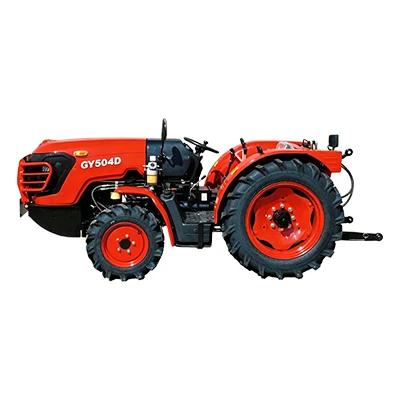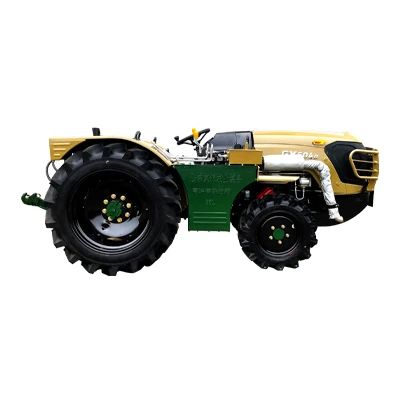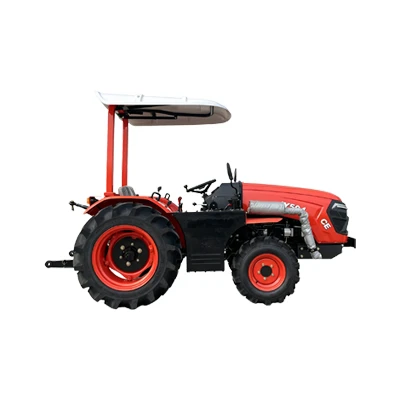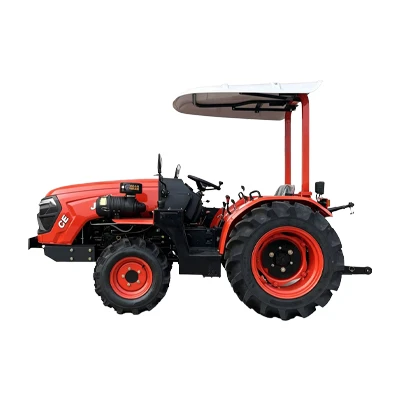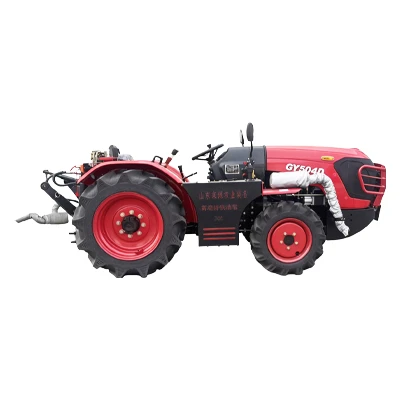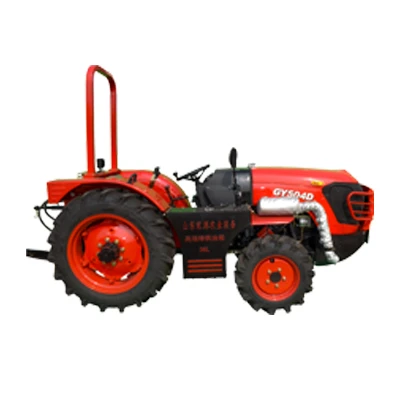
Before operating, thoroughly inspect all tractor components, including tire (track) pressure and wear, and check the braking system, steering system, and lighting for proper function. Also, ensure the engine oil and water levels in the radiator are within normal ranges. Clear the work area of any obstacles, such as rocks, branches, and metal debris, to prevent damage to the tractor or accidents. Operators should wear well-fitting, clean work clothes and avoid loose, easily ripped clothing. Operators should also wear non-slip shoes; operating in slippers or bare feet is strictly prohibited. Be sure to familiarize yourself with the functions and locations of all operating handles, buttons, and instruments, and understand the tractor's performance and features. Before starting, shift the gear lever to neutral, check that the parking brake is engaged, and ensure there are no people or obstacles nearby before starting the engine. Preheat the engine: After starting in cold weather, allow the engine to idle for a while to warm up. Wait until the water and oil temperatures reach normal ranges before starting. Start smoothly: When starting, slowly release the clutch pedal while gently pressing the accelerator. Avoid sudden acceleration or braking to prevent the tractor from shaking violently or dropping cargo.
While driving, shift gears appropriately, adjusting to speed and road conditions. Avoid prolonged driving in low gear with high throttle or high gear with low throttle to ensure the tractor's power and fuel economy. Observe the instrument readings and check for normal engine sounds and vibrations while driving. Also, pay close attention to your surroundings, including pedestrians, vehicles, and other obstacles. Maintain a safe distance between vehicles and the vehicle ahead when driving on the road, generally at least 50 meters. Increase the distance appropriately on slippery roads or downhill sections. When working in the field, properly install and adjust farm implements according to the requirements of the operation, ensuring a secure connection between the implement and the tractor and proper adjustment of the suspension system to avoid implement shaking or collisions during operation. The operating speed should be appropriately selected based on soil conditions, crop conditions, and implement type. Generally, excessive speed should be avoided to avoid damage to the implement or reduced work quality. When turning in the field, reduce speed in advance and steer slowly, avoiding sharp turns or sudden braking to prevent the tractor from overturning or damaging the implement. Do not overload the tractor, as this may affect its handling and service life, or even cause safety accidents. Pay attention to the surrounding environment and observe obstacles such as ditches, potholes, and utility poles in the field during operation to avoid approaching or running over them, thereby preventing the tractor from becoming trapped or collided with them.
Parking and shutting down the vehicle. When parking, choose a suitable location on flat, firm ground. Avoid parking on slopes, soft ground, or near dangerous areas such as fire or water sources. After parking, apply the parking brake, shift the gear lever to neutral or park, and shut off the engine. If parking on a slope, place triangular wooden blocks or rocks under the wheels to prevent the vehicle from sliding. After shutting off the engine, immediately turn off all electrical devices, such as lights and radios, to conserve battery power.
Emergency Procedures: If an accident or emergency occurs while operating the tractor, stop the vehicle immediately and disconnect the power to the engine to prevent further damage. If necessary, call emergency services immediately to report the accident. Try to remain calm and wait in a safe place until help arrives.