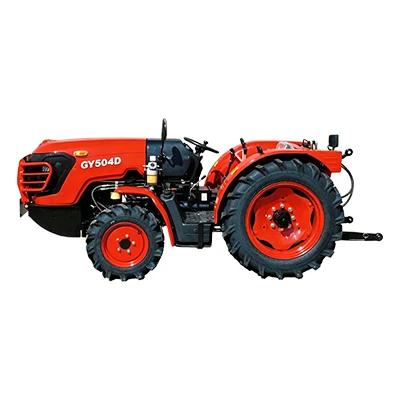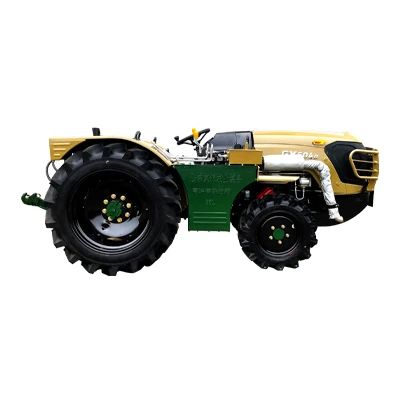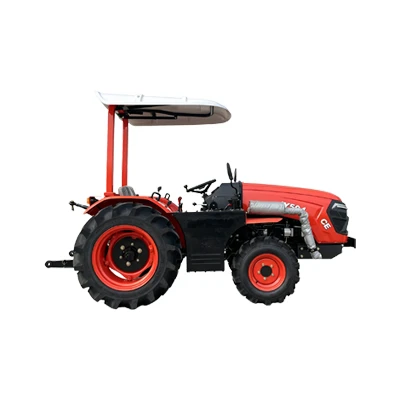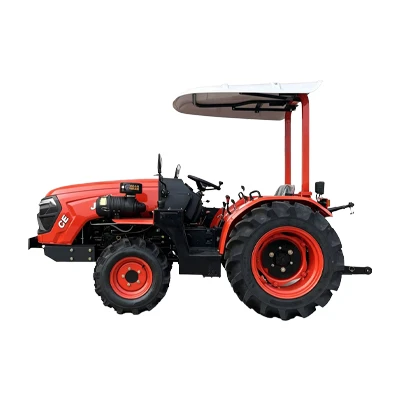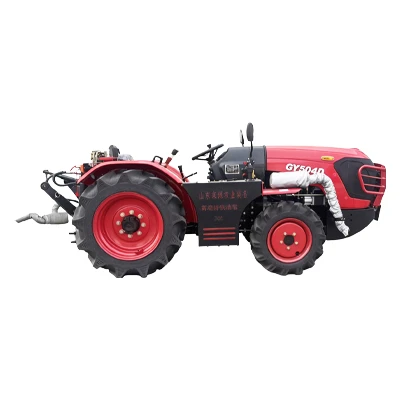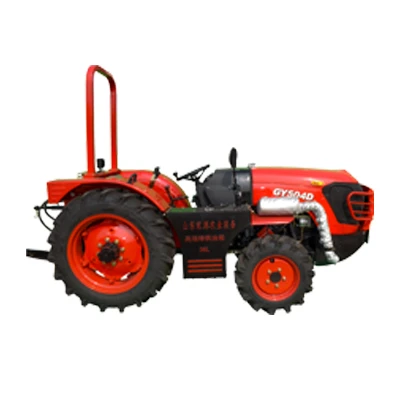
Yes, they are. Tractors are a type of power machinery widely used in agricultural production, primarily used to pull or drive various farm implements for operations such as tilling, sowing, and harvesting. Tractors play a central role in agricultural mechanization, and their versatility and efficiency make them indispensable equipment for modern agricultural production.
Tractors are categorized by purpose, including agricultural tractors, industrial tractors, and specialty tractors. Agricultural tractors are the most common type, primarily used for field operations such as tilling, sowing, fertilizing, spraying, and harvesting. Industrial tractors are primarily used in non-agricultural applications such as construction and mining. Specialty tractors are designed for specific needs, such as mountain tractors and orchard tractors.
Tractors operate primarily based on an internal combustion engine or electric motor providing power, which is transmitted to the drive wheels or implements through a transmission system. Modern tractors are typically equipped with hydraulic systems, a power take-off (PTO), and a three-point hitch to support quick switching and efficient operation with a variety of implements.
Tractors have a wide range of applications. During the tillage phase, a tractor can pull implements such as plows and harrows to till the soil and prepare the land. During the sowing phase, it can pull a seed drill for precise seeding. During the field management phase, it can pull a sprayer for pesticide application. During the harvesting phase, it can pull a combine harvester for harvesting crops. Tractors can also be used to transport agricultural products or other materials, improving the overall efficiency of agricultural production.
Selecting a tractor requires consideration of multiple factors, including farm size, terrain conditions, and crop type. For example, a small tractor is suitable for small-scale farmland or orchard operations, while a large tractor is more efficient for large-scale farmland. Furthermore, the tractor's power, fuel efficiency, and operator comfort are also important considerations.
Tractor maintenance and care are equally important. Regularly check the engine oil, coolant, and hydraulic oil levels to ensure proper lubrication of all components. Clean the air filter regularly to prevent dust from entering the engine. Check tire pressure and wear to ensure safe driving. Furthermore, a comprehensive tractor inspection should be performed before and after the busy farming season to extend its lifespan and maintain operational efficiency.