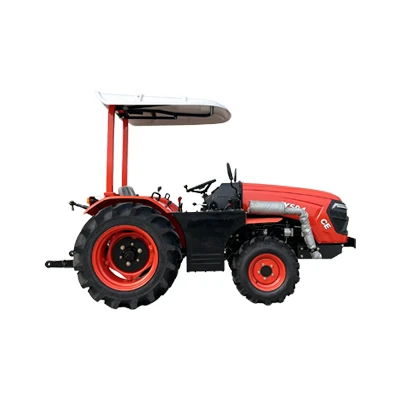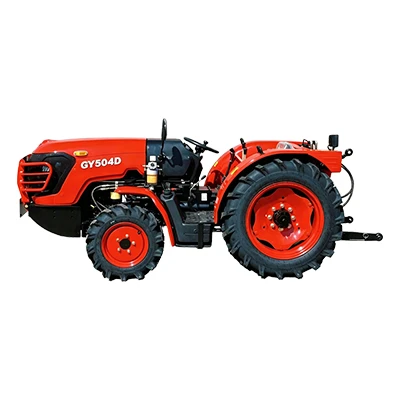
Classification by Purpose:
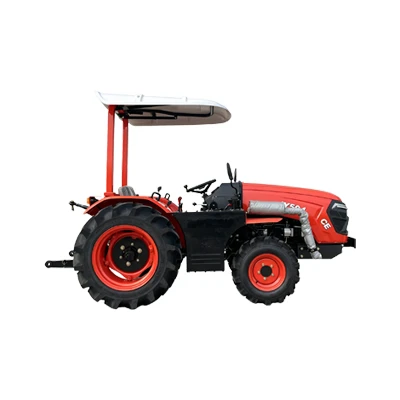
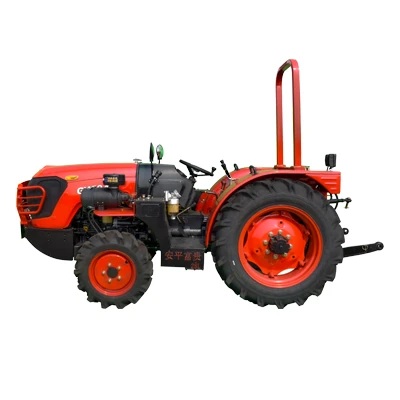
Agricultural Tractors: Primarily used for farmland operations such as plowing, sowing, and harvesting.
Industrial Tractors: Primarily used in industrial sectors such as construction and mining, such as bulldozers and loaders.
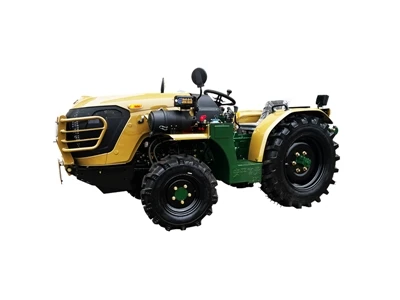
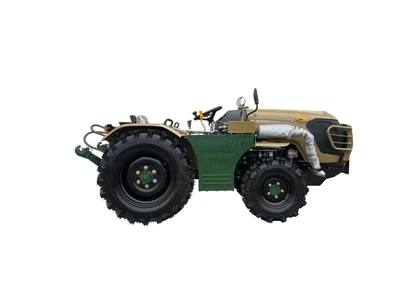
Garden Tractors: Primarily used for small-scale operations in orchards and gardens, such as lawn tractors.
Classification by Drive System:
Wheeled Tractors: Drive on tires and are suitable for hard surfaces and general farmland operations.
Crawler Tractors: Drive on tracks and are suitable for soft, muddy, or uneven surfaces. They offer high traction but relatively low speed.
Classification by Power:
Small Tractors: Typically have a power of 20-50 horsepower and are suitable for small-scale farmland or gardening operations.
Medium Tractors: Typically have a power of 50-100 horsepower and are suitable for medium-scale farmland operations.
Large Tractors: Typically have a power of 100 horsepower or more and are suitable for large-scale farmland or industrial operations.
Classification by Drive Type:
Two-Wheel Drive Tractors: Typically rear-wheel drive, suitable for general farmland operations.
Four-Wheel Drive Tractors: Drive both front and rear wheels simultaneously, providing greater traction and suitable for complex terrain or heavy loads.
Classification by Engine Type:
Diesel Tractors: Powered by a diesel engine, they offer strong power and excellent fuel economy, making them the mainstream type.
Electric Tractors: Powered by an electric motor, they are environmentally friendly and pollution-free, but have limited range and are suitable for specific applications.
Classification by Function:
Conventional Tractors: Primarily used for towing.
Multi-Purpose Tractors: Equipped with a variety of attachments, they can perform a variety of tasks, including tilling, sowing, and harvesting.