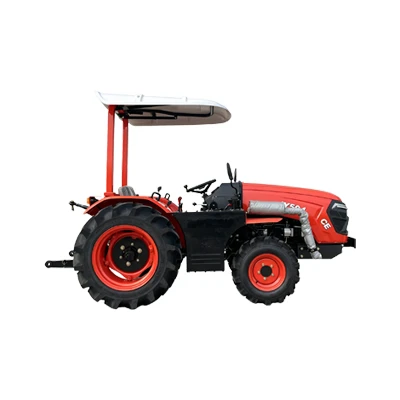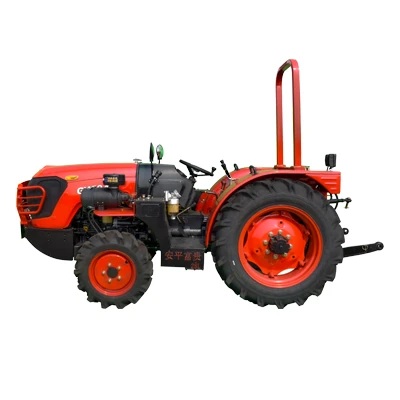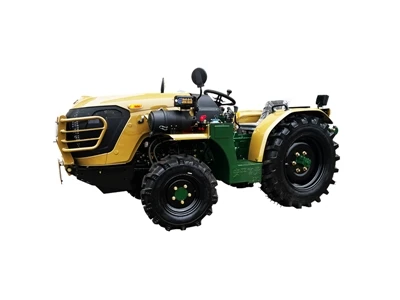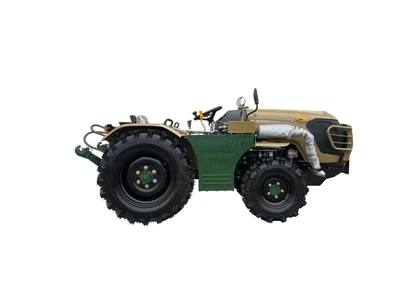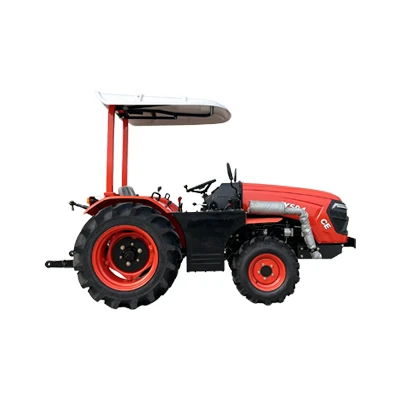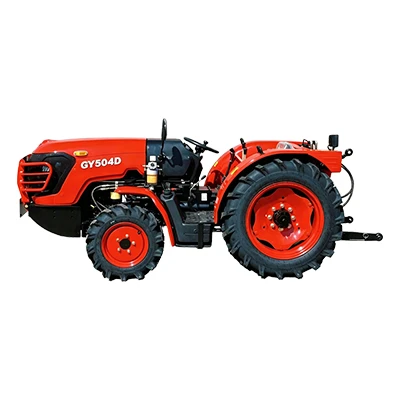
Tractors typically last about 10-15 years, depending on factors such as frequency of use, maintenance, and operating environment. The following are several key factors that influence a tractor's service life:
Frequency of Use: Frequent, high-intensity operation accelerates wear and tear, shortening its service life. For example, a tractor used continuously during the busy farming season may have a shorter lifespan than one used seasonally.
Maintenance: Regularly changing the engine oil and filter, and inspecting the hydraulic system and transmission components, can significantly extend the lifespan of a tractor. A comprehensive maintenance is recommended every 500 hours.

Operating Environment: Tractors operating in harsh environments (such as dusty, humid, or saline areas) are more susceptible to corrosion of their metal parts, shortening their service life.
Parts Quality: Genuine parts and high-quality replacement parts can better ensure the performance and lifespan of a tractor.
Technological Updates: As technology advances, older tractors may be retired due to inefficiency or substandard emissions, even if they are still in good mechanical condition.