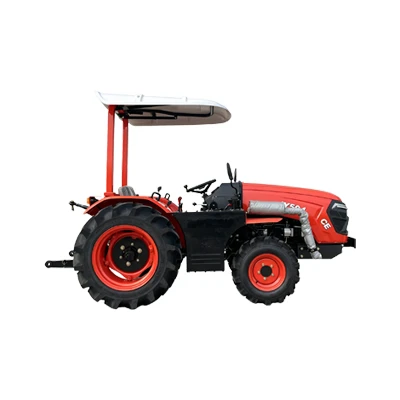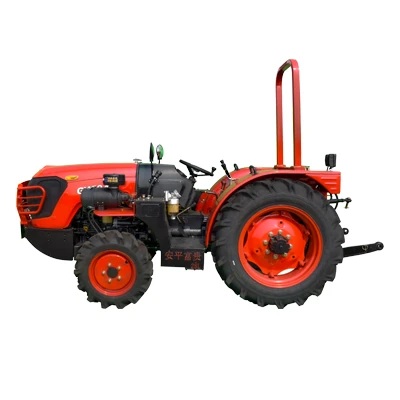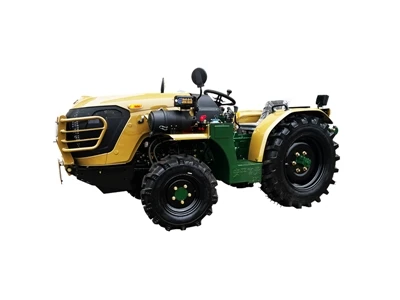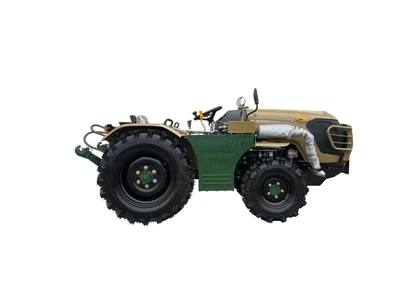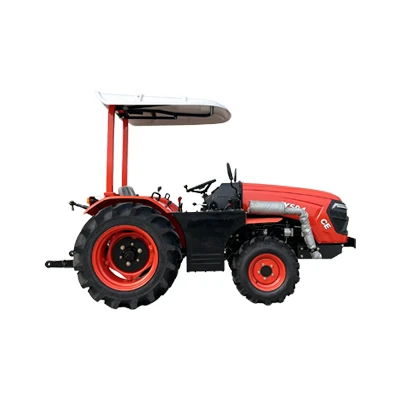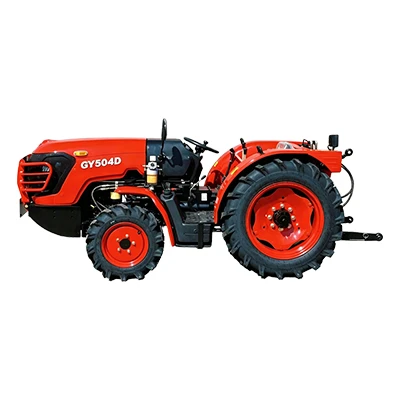
Although tractors are relatively complex machines, with varying shapes and sizes, they all consist of three major components: the engine, chassis, and electrical equipment, each of which is essential.
The engine
This is the tractor's power-generating device, converting the thermal energy of the fuel into mechanical energy and outputting that power. Most agricultural tractors produced in my country use diesel engines.
The chassis
This is the tractor's power transmission device. Its function is to transmit the engine's power to the drive wheels and working devices, enabling the tractor to move and perform moving or stationary tasks. This function is achieved through the coordinated operation of the transmission system, travel system, steering system, braking system, and working devices, which together form the tractor's skeleton and body. Therefore, we collectively refer to these four major systems and one major device as the chassis. In other words, within the tractor, all systems and devices other than the engine and electrical equipment are collectively referred to as the tractor chassis.
The electrical equipment
This is the device that ensures the tractor's power supply. Its functions include lighting, safety signals, and engine starting.